Online learning has been around for decades, but its role in education changed dramatically with the COVID-19 pandemic. What was once seen as a secondary or optional format suddenly became the lifeline for students, schools, and universities around the world. Now, years later, we can clearly see how the “COVID generation” of students reshaped the future of distance learning—and why it will only continue to evolve.
From Emergency Response to Everyday Reality
When COVID-19 forced schools and universities to close their doors, distance learning wasn’t a choice—it was the only option. Platforms like Zoom, Google Classroom, and Microsoft Teams became household names overnight. Educators, often unprepared for such a rapid shift, had to adapt quickly. What started as an emergency solution has since transformed into a permanent feature of education systems worldwide.
The Rise of Digital-First Education
The pandemic accelerated digital adoption by nearly a decade. Universities launched fully online degree programs, employers embraced virtual training, and students began to expect flexibility in how they learn. Online education is no longer just about convenience—it’s about access, personalization, and preparing learners for a digital-first world.
The COVID Generation: Redefining Expectations
Students who experienced “pandemic learning” have very different expectations than those before them. They are:
- Tech-Savvy Learners: Comfortable using multiple platforms and apps.
- Flexibility-Driven: Expecting hybrid options (a mix of in-person and online).
- Outcome-Oriented: Focused on practical skills, certifications, and career alignment rather than traditional classroom hours.
This generation is shaping demand for new models of education that blend flexibility, engagement, and real-world outcomes.

New Technologies Driving the Future
Online learning is now entering its next phase, powered by advanced technologies:
- AI and Adaptive Learning: Platforms that adjust lessons to each student’s pace and style.
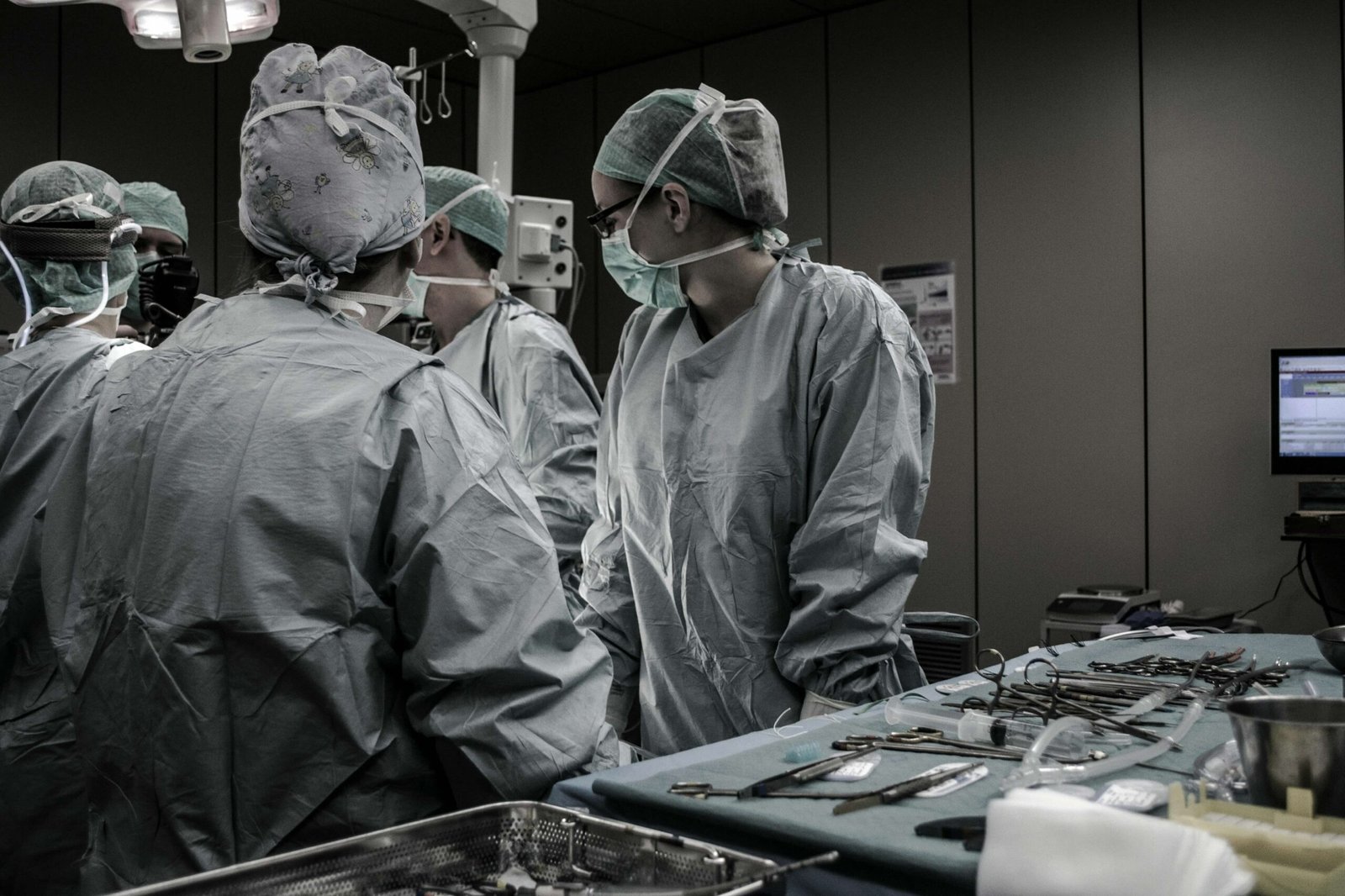
- Immersive Learning (VR/AR): Virtual reality classrooms where medical students can practice surgery or engineering students can explore 3D models.
- Global Classrooms: Students from around the world learning together in real time, breaking down barriers of geography and cost.
Why the Future is Brighter
The future of online learning isn’t about replacing traditional classrooms—it’s about expanding access and creating more opportunities. Students who might not have been able to attend a university in another country, or working professionals needing to upskill, now have high-quality options at their fingertips.
Final Thoughts
COVID didn’t just change education temporarily—it permanently altered the way we think about learning. The pandemic generation demanded flexibility, innovation, and relevance, and the education industry responded. As technology advances, online learning will only get better, offering a more inclusive, personalized, and globally connected future.
The classroom of tomorrow isn’t bound by walls—it’s boundless.